
Spring and summer are usually associated with the joys of gardening. But your garden doesn’t simply disappear for autumn and winter. It actually requires ongoing maintenance to keep it looking as good as it can be and to prepare it for next year’s warmer seasons. So looking after your organics in cold weather gardening is a job itself. Here are 13 pro tips to winter gardening.
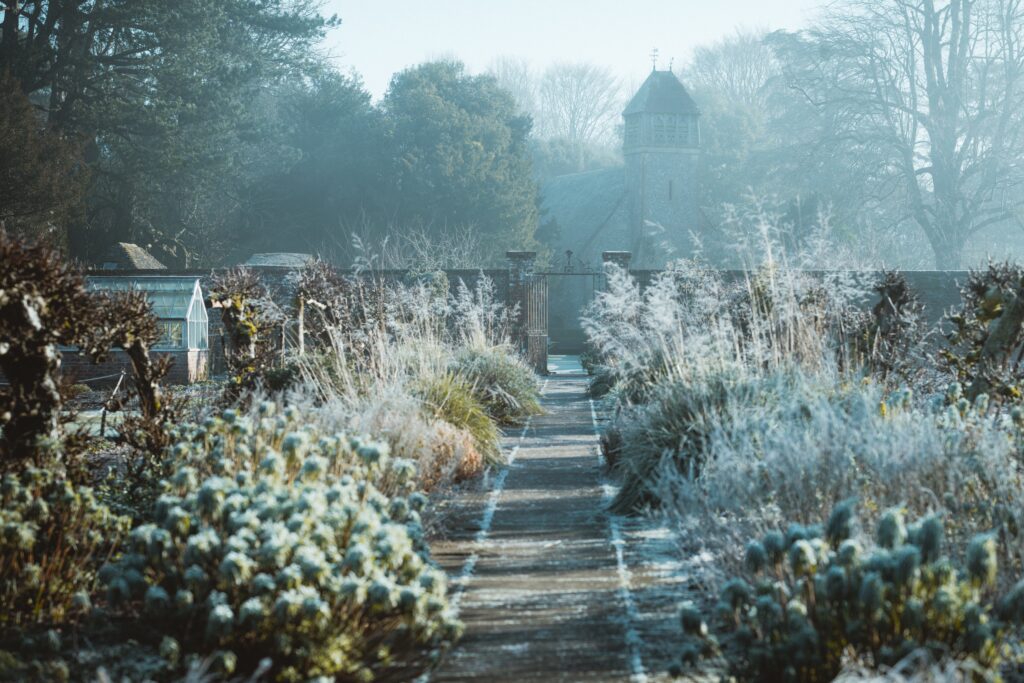
Plant Your Spring Bulbs
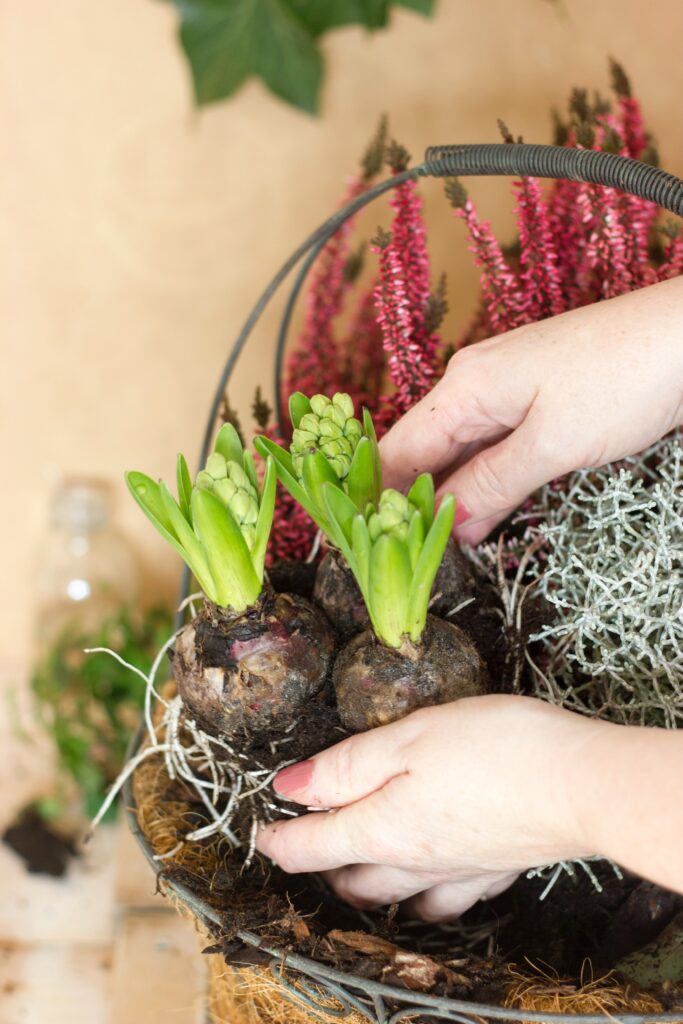
You can plant many spring bulbs at any time in the autumn, but you must do it before the temperatures freeze the soil. Some of the most common include daffodils (buy some daffodil bulbs), grape hyacinths, and tulips. In places where it doesn’t get below freezing, aim to get bulbs planted by the beginning of November, so roots have time to grow before winter. As a general rule, you should plant bulbs at a depth that is 3 times their height. So, a 2-inch bulb is put in the ground 6 inches deep with the narrow end of the bulb pointing upwards.
Keep Your Soil Clean and Free of Dead Matter
You can keep all of your plants healthy by keeping your garden clean. Typically all you need to do is dispose of dead plants and leaves. This helps keep the microbes in the soil stable and makes for a better environment for new plants the following year by taking care of pests, fungi and bacteria. Of course, there is more work to do as well. You can prepare your soil for a better spring by checking for wood pieces, storing sprinkler nozzles until you need them and draining irrigation systems. Also, don’t forget to rake up those golden brown leaves to protect the lawn.
Cold Weather Gardening Includes Pruning
Unfortunately, around 10% of people don’t take care of their gardens in the winter. Mainly because they think plants will die anyway. This is true. However, you need to prepare your garden for the following year’s bloom, or you won’t get the best results. Winter requires less gardening work. You may not need to prune as much as you would in summer. But pruning you must do. Check your climbers and planters for stragglers and keep them neat and tidy. If you don’t prune in the winter, you will have more work to do when the temperature gets warmer.
Get to Work on Weeds
You will pull a lot of weeds in spring and summer. But they grow all year long. And in the autumn, stubborn weeds like couch grass can also invade your garden and spread like wildfire. However, because of the limited daylight hours in winter, it’s much easier to defend your garden against weeds because they don’t grow as fast. So autumn and winter are great times to get out in your garden and get a jump on weeds you can see poking through. This can give you a great head start for spring and make it easier to deal with problems during the bloom.
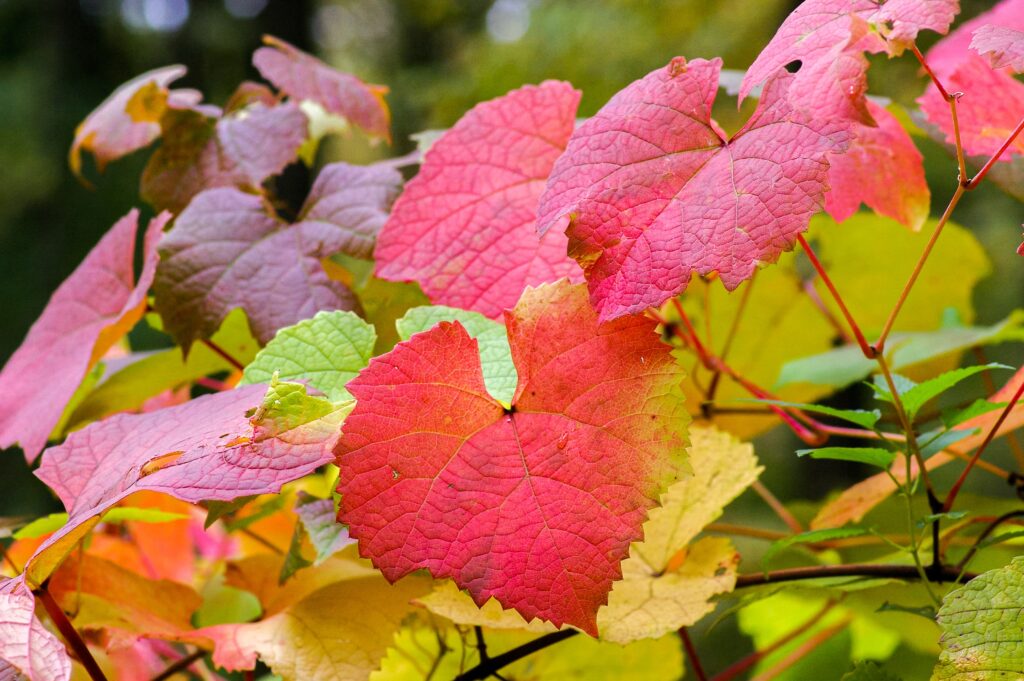
Take It Indoors
You may not be aware, but you can take some of your plants indoors. Of course, this will mean you have extra work to do throughout winter. But you might not want to see your favourite flowers die or a beloved tropical wilt away. Potting these can be tricky, so always make sure your pots are large enough and that you don’t damage any roots. From there, study and read up on how to care for each plant you bring inside and what their optimal conditions are. For example, you may need to keep some in a conservatory and others in relatively shady areas.
Clean Your Shed and Tools
With the decreased gardening work required during winter, you won’t be using most of your tools. So winter is a great time to gather your most used tools, such as shears, trowels and any power tools, and give them a thorough cleaning. You can also sharpen any cutting tools, ready to tackle hardy plants later. Doing this prepares you for the incoming bloom. It will also reduce the amount of time you need to spend cleaning your gardening tools in between jobs during spring and summer. In essence, you are preparing ahead for a successful year.
Leave Root Vegetables to Sweeten
Most root vegetables are able to withstand a bit of frost. So you can leave them in the ground for a little longer, but before the soil is frozen solid. Hardy vegetables develop a better and sweeter taste when left for longer. Some perfect examples you can leave a bit longer include:
- Carrots
- Swedes
- Parsnips
- Beets
- Turnips
- Kohlrabi
- Rutabagas
- Celeriac
- Potatoes
- Winter radish
These are all good for leaving to develop a better taste. Just be sure to pick them before the ground freezes over. Also, if you have a reliable drainage system that reduces freezing, you can leave many of them in place over the winter and dig them up when you want to use them.
Prepare Beds for Spring
It’s almost always an ongoing job when you have a garden. Yes, there’s less to do when it’s colder. But you must keep up the momentum for next year. So preparing your flower and vegetable beds for spring is necessary. First, you need to pull out all dead or rotting plants, including weeds, fruit, and vegetables. This will help prevent degrading of the soil. Also, try to remove insect larvae when tilling over the soil. Further, you can think about making some new beds in autumn before it’s too frozen. Raised beds help with certain plants and look attractive.
⬇️ Keep reading for more 13 pro tips to winter gardening! ⬇️
Check where to Repair Cimbers
When plants are dormant, it is much easier to see and get to things like fencing, walls and trellises. Not to mention that the problems are easier to see when you inspect them. So autumn and winter is a great time to get in there and fix as much as you can so you’re ready for the spring. Doing these repairs means there is minimal damage to surrounding or planted flowers and vegetables, such as runner beans should you need to replace anything. Transplanting in winter will also have a minimal impact on dormant plants waiting for the spring sun.
Cover Up Delicate Plants
During the coldest months or when a hard frost is coming, it’s best to cover the leaves and stems of weaker perennials and tropicals that are used to heat. You can use any material that will keep them warm and is light and airy. Examples include burlap, evergreen branches and straw stooks. Stooks are bundles of dried stems that stand up straight and look like teepees. To protect delicate crowns that need help in the cold, cover them with a dry mulch made of bark, fern fronds, or straw. This can help tide them over until it gets a little warmer in spring.
Don’t Forget Composting when Cold Weather Gardening
To keep compost alive during the cold months, the microbes inside the piles need to stay active. This means that the temperature needs to stay above freezing. In places where it freezes for a long time, harvest mature compost in the fall and use it as a nutrient-rich mulch for your garden. Keep adding kitchen scraps to your pile over the winter. They will freeze, and you can start layering materials again in the spring. Remember to also keep compost covered since cold, soaking rain can make it soggy and wash away nutrients and important microbes.
Make Your Plan for Next Year
Gardening is an ongoing process if you have a large one with many varieties of herbs, vegetables and flowers. So the work doesn’t end just because the colder seasons come in. In fact, some vital work needs to begin. You need to plan some time for what you need to do the following spring. This can be as simple as sitting down with a pad and a cup of herbal tea on a rainy Sunday afternoon. But you need to know what you will do so you can get ahead of the coming seasons. Act quick because time has a habit of moving quicker than you expect.
Make the Most of the Changing Season
Changing seasons are a joy to watch, and each season brings something new. With summer over, the golden hues of autumn bring a sense of calm and relaxation. Yet for gardeners, it signals you can have a rest. You will need to do things to tend your garden over the colder seasons. But you can make the most of your autumn and winter gardens by enjoying the different things they bring. For instance, raking falling leaves is akin to a zen garden. And there’s nothing quite like the way the sun refracts through a frozen spider’s web on a crisp morning.
Summary
Cold weather gardening is a little different than that of summer. However, it is somewhat easier since you don’t have to worry about damaging delicate plants. And things like transplanting and making repairs are easier. Some of the jobs you should pay attention to in this 13 pro tips to winter gardening article during autumn and winter include planting spring bulbs, cleaning your tools and planning for the next year’s growth.
If you have enjoyed 13 pro tips to winter gardening please consider pinning this article to Pinterest or share on your socials

