
You deserve to feel safe in your household. We doubt that any homeowners would disagree with that, especially if their children reside there. However, it’s not uncommon for us to look at household safety in relatively obvious terms. For instance, is the proper safe from the potential chance of a fire? Well, it will never be 100% protected from this, but you can dramatically reduce risk by worthwhile practices such as never overloading plug sockets with extensions.

Yet it’s also important to think about the hidden elements of safety that will help define our day-to-day wellbeing perhaps more than we know. For instance, making sure you could possibly evacuate your home via your ground floor windows can give you that extra possibility of escape should you need it, and should the regular exit become blocked.
Sometimes, the hidden elements of safety are less obvious to us as we move around our household, but actually contribute the most to our daily protection without us realizing. In this post, then, we’re going to look at a few ways forward by considering how to improve the hidden elements of safety in your household:
Ventilation
Ventilation may seem like something that only feeds a fire if one is present, but that doesn’t subsume our necessity for this to work. Damp, black mold, and other household issues you may not have identified can sometimes cause respiratory distress. Stale air that hasn’t had the chance to move throughout the property thanks to natural airflow is also less healthy and ennui-inducing than having access to fresh intake.
As such, managing your ventilation is worthwhile, through ventilation bricks, fans that work through to open windows, air purifiers, and filters, and even air conditioning units that help ‘recycle’ the air as necessary. Great ventilation and fresh air can help your general health more than you realize, and so it’s good to make provisions for this in your household.
Protective Materials
Protective materials, like dust covers and especially flame retardant fabric can work brilliantly in protecting your furniture and limiting the spread of fire in some cases.
Protective materials can also structure a particular implement from the ground up, such as reinforced fire doors that will help slow the spread of a fire by hours should they be installed correctly and closed, giving everyone the chance to more easily escape from the building should the worst happen. Consider the materials used in your property, they may make a major difference to its overall wellbeing.
Child Protections
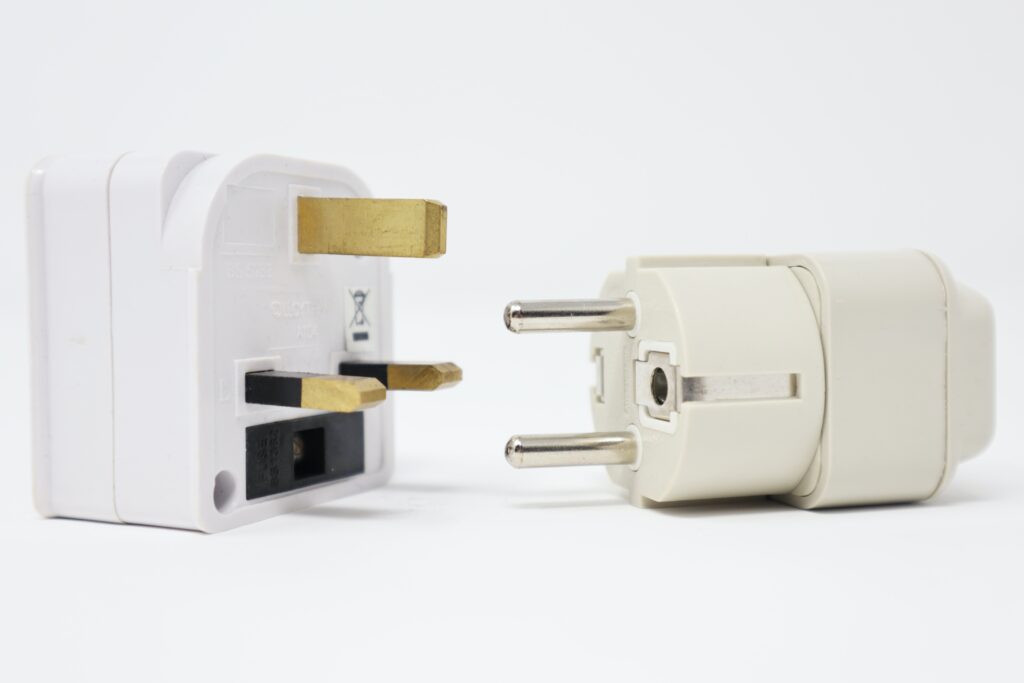
With tamper-resistant outlets or plug socket protections, draw catches that need to be pressed in to allow their full opening, locked cupboards for items like cleaning materials, and corner foam protectors to prevent a running toddler from hitting the corner of a table, implementing child protections around the household can often be a nuanced, hard-to-notice, but utterly useful means of keeping your curious and active child safe. You probably need no justification for why this is important, as protecting our child from undue injury, even as a super-attentive parent, can grant you a little peace of mind.
With this advice, we believe you’ll approximate the hidden elements of safety in your household, in the best possible light.